
Milo facilitate diverse groups of people through the entire human centered design process, from framing the design challenge to planning for implementation. They specialize in making the creative process accessible to communities of people who are usually excluded from it. The timetable for an HCD process is flexible and adjustable.
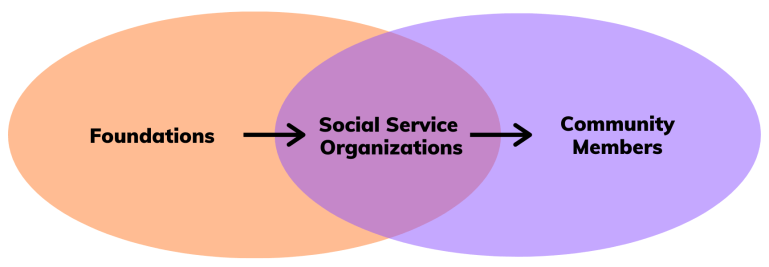
Milo isn’t the kind of consultant who will disappear with your project and then return with a slide deck and best wishes. They collaborates side-by-side with your team and your community, teaching their methods at every step.
Hiring Milo to facilitate a human centered design process for your organization is much more effective at training your staff and community members in equity-based human centered design than hiring them to teach a short-term workshop because they adopt a “learning by doing” approach. Milo convenes organizational staff and community members into a design team and guides them through the entire design process.
These case studies showcase some of Milo’s experiences facilitating a full HCD process:
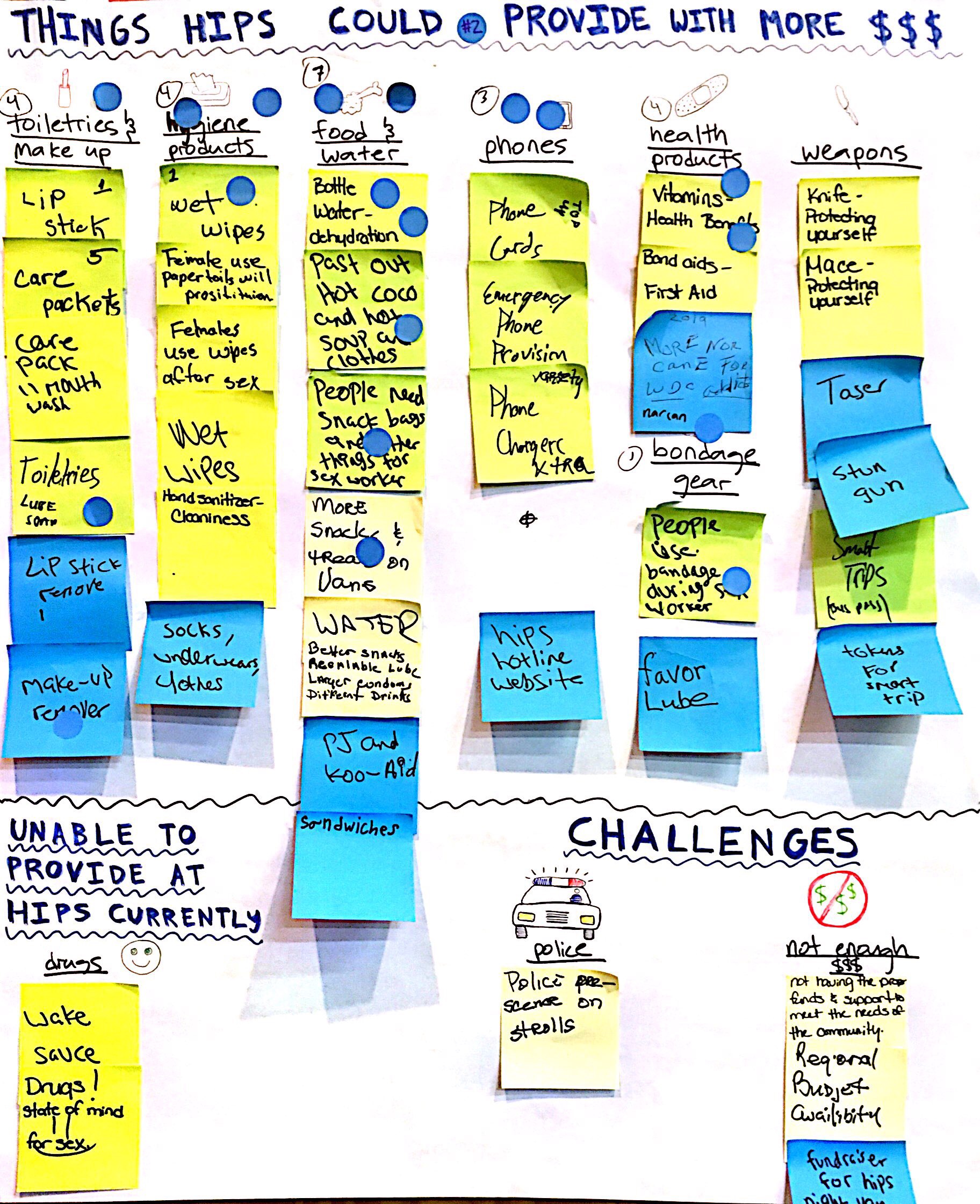
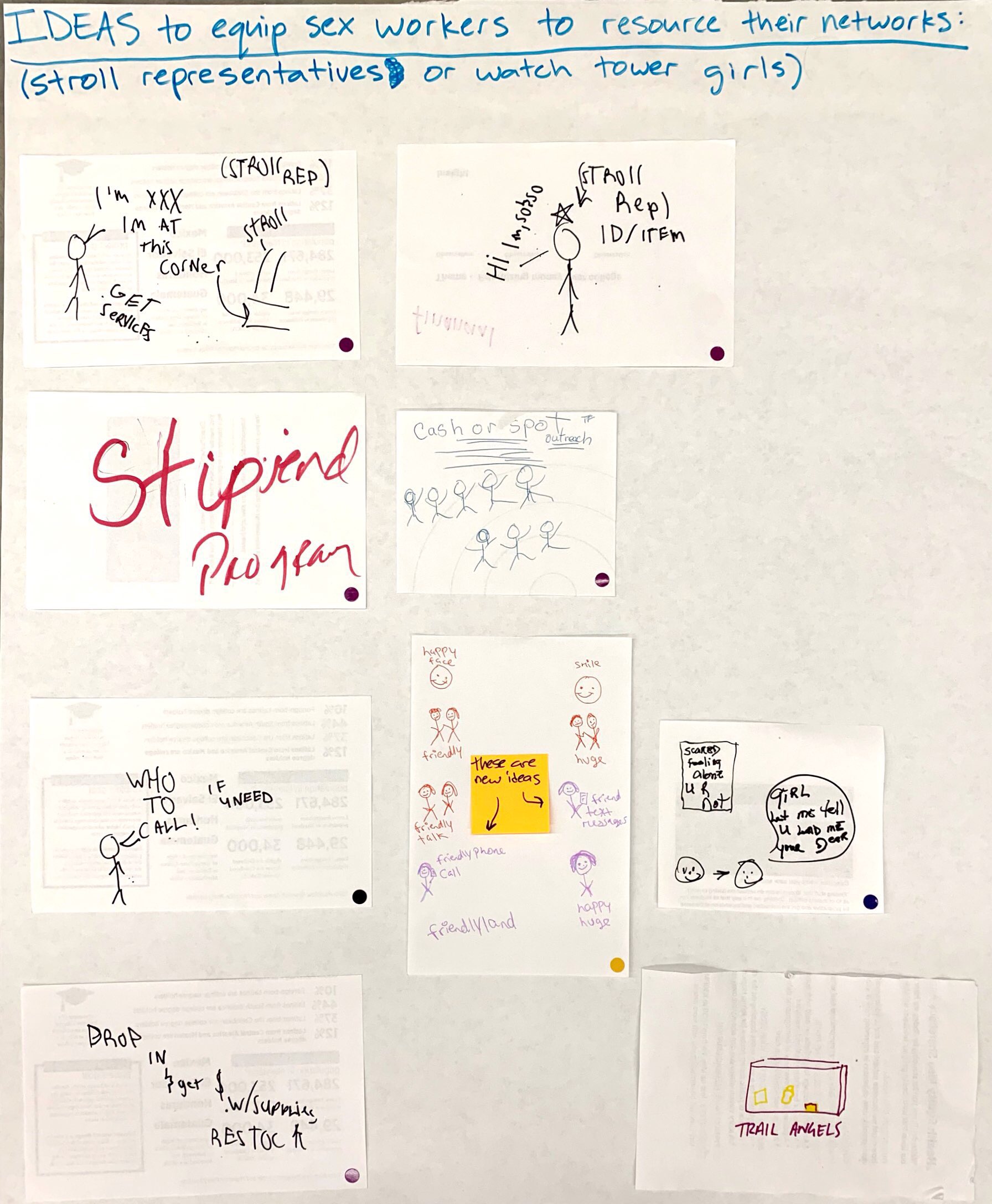
- Case Study: Sex Worker Led Program Design
- Case Study: Stroke Survivor Led Recovery Journey
- Case Study: Scaling Patient Centered Senior Care By Centering Values
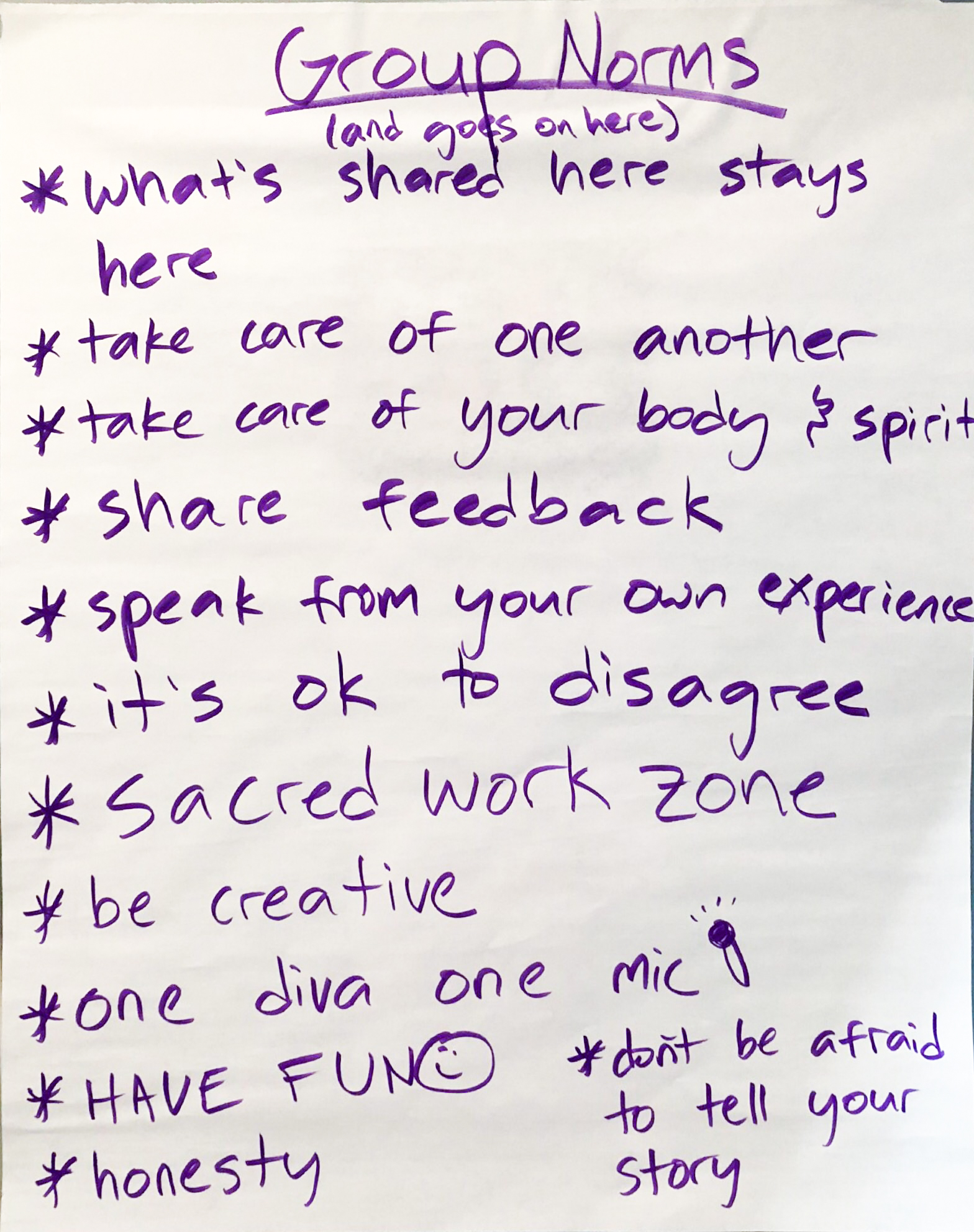
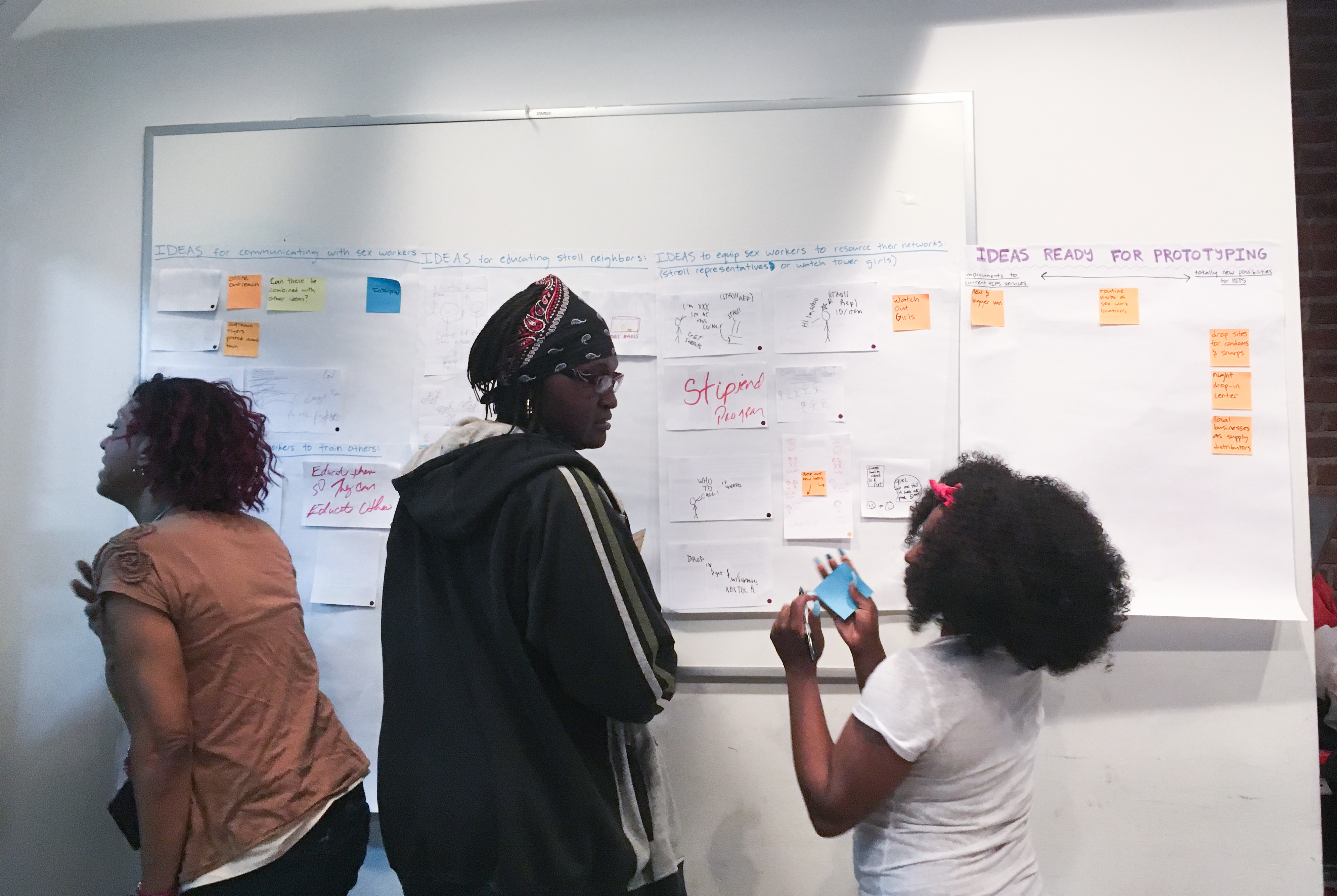
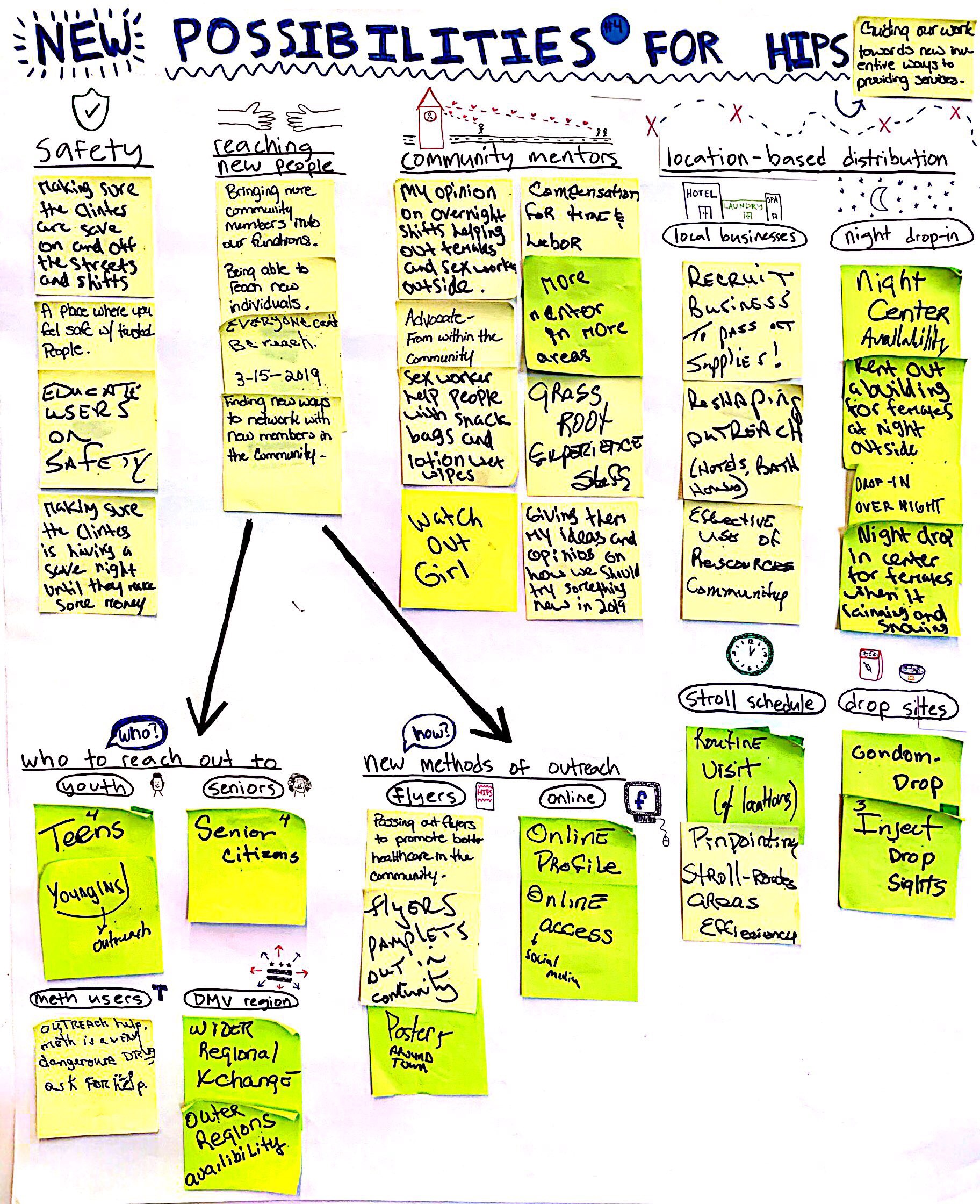

Partial HCD Facilitation
For clients who have already begun a human centered design process and who need help navigating through a stuck point, Milo also offer partial HCD facilitation. For example, some organizations complete a robust research project and then want help ideating and prototyping based on their research. Others might find that they have prematurely jumped into ideation and prototyping and need to take a step back and conduct some community-based research to ensure they are investing in impactful solutions.
For these clients, Milo offers focused engagement on a portion of the HCD process (eg. problem definition, research, ideation, or prototyping), typically over the course of a 2-3 month period. Milos provide followup support several months after the engagement to ensure successful implementation.
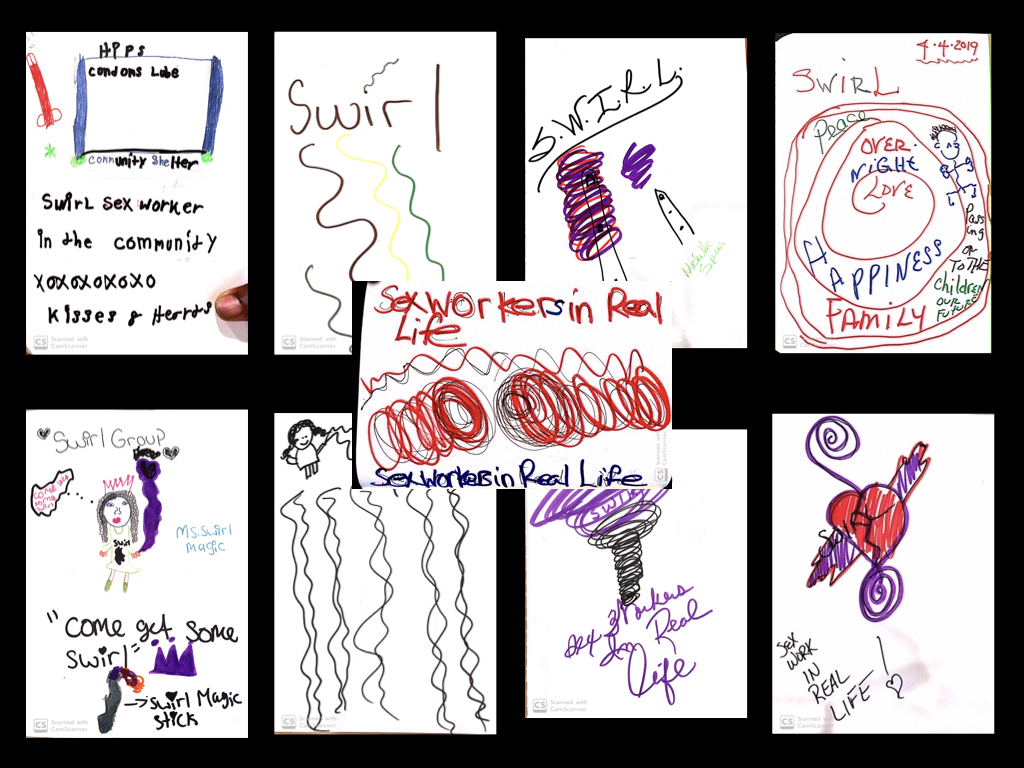
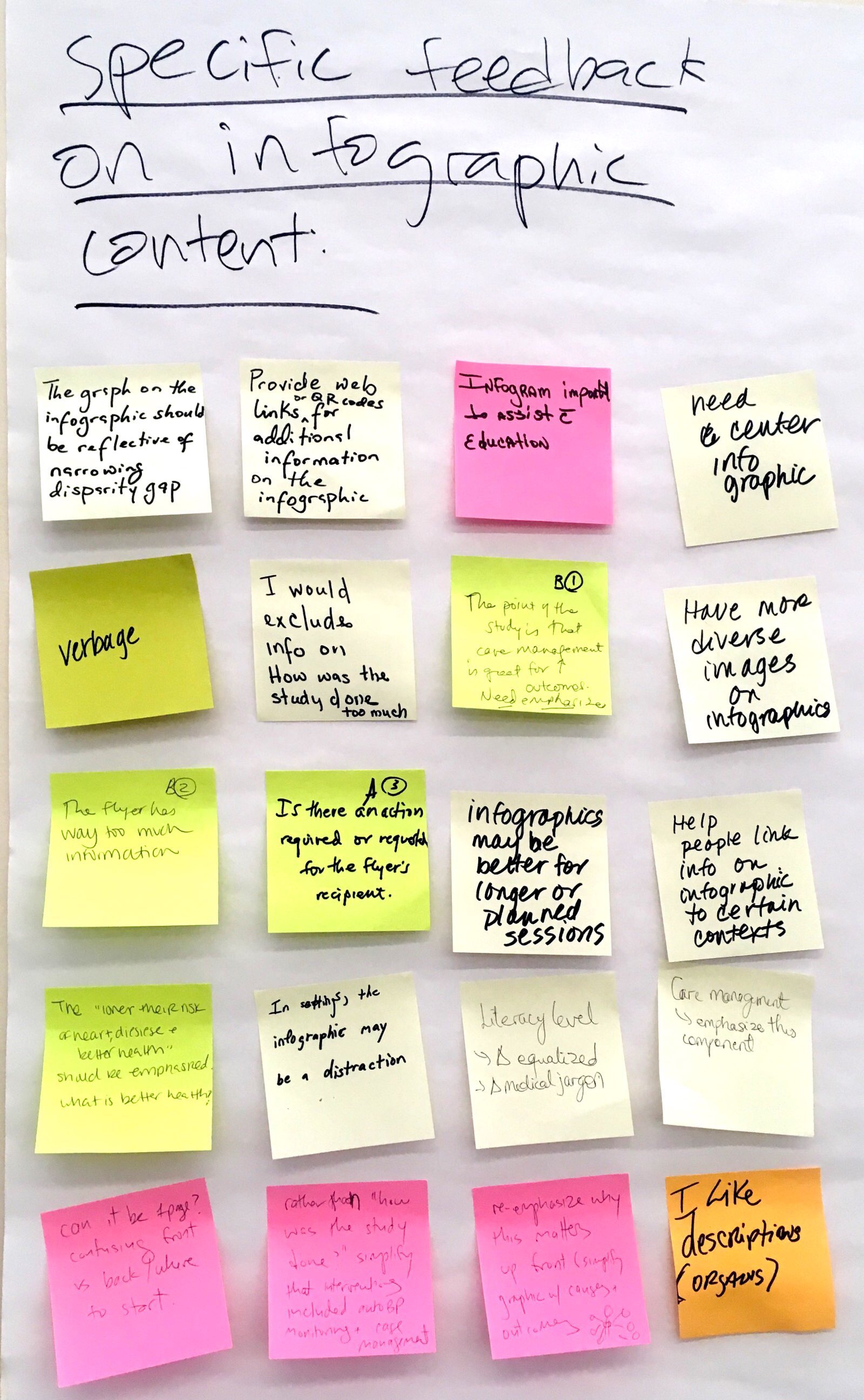
This case study features a previous project in which Milo facilitated a partial HCD process:
 Curb Cut Design Studio